Lifestyle|Home|Electronics
Breathe Easy in 2026: Why Air Purifiers Are Now Non-Negotiable for...
As urban India battles escalating air pollution in 2025-2026, air purifiers are a necessity. Meera Reddy analyzes top mo...

15 min read
Expert Reviewed
Quick Summary
or TL;DRSkip to our top recommendations
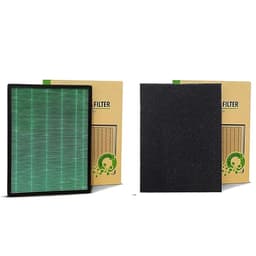
Best Overall
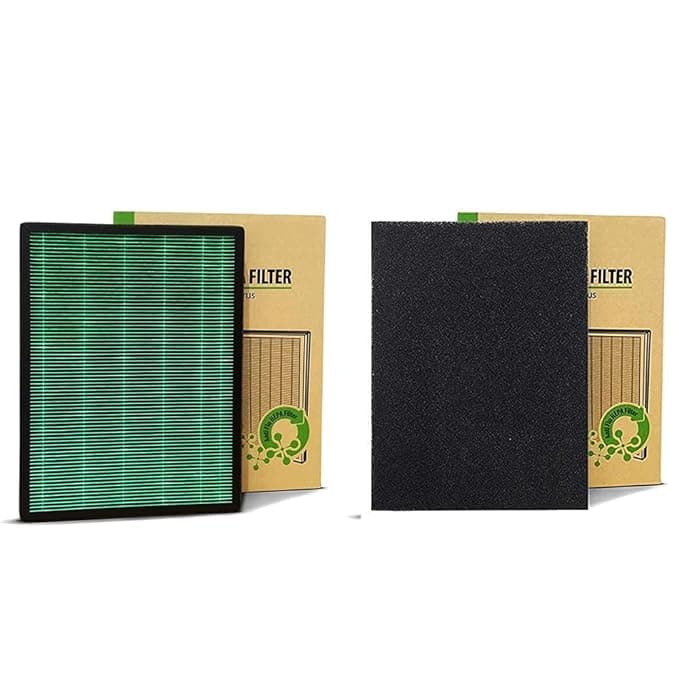
Coway Original Carbon & HEPA Filter Set for AirMega 150 (AP 1019C), 8500 Hrs (Approx. 1.5-2 yrs) Long Life | Traps Bad odor, VOCs & Kills Allergies, Virus, Germs, PM 0.01 with 99.999% efficiency
4.2(488)
₹5,399
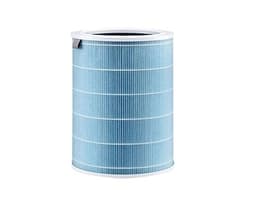
Best Value
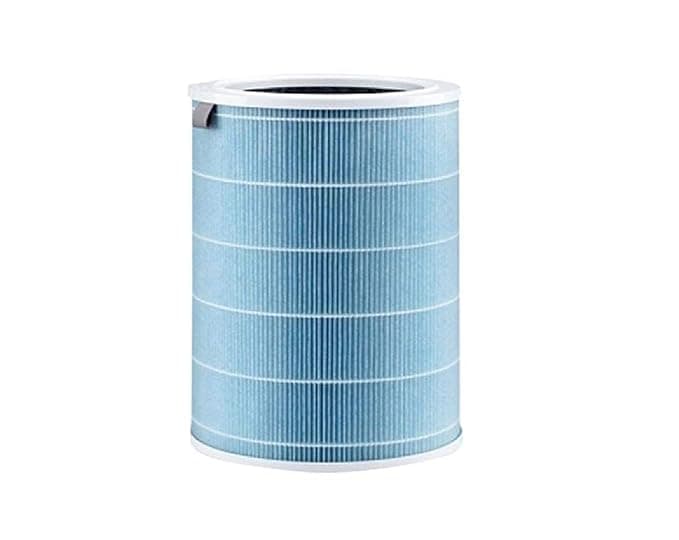
Replacement Filter Compatible with Xiaomi Mi Air Purifier 1, 2, 2C, 2S, 2H, 3, 3C, 3H - HEPA ONLY
4(67)
₹2,480
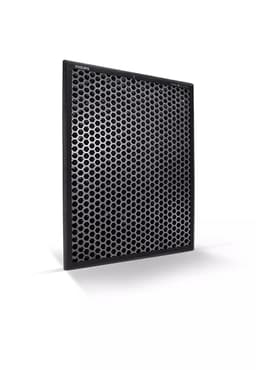
Premium Pick
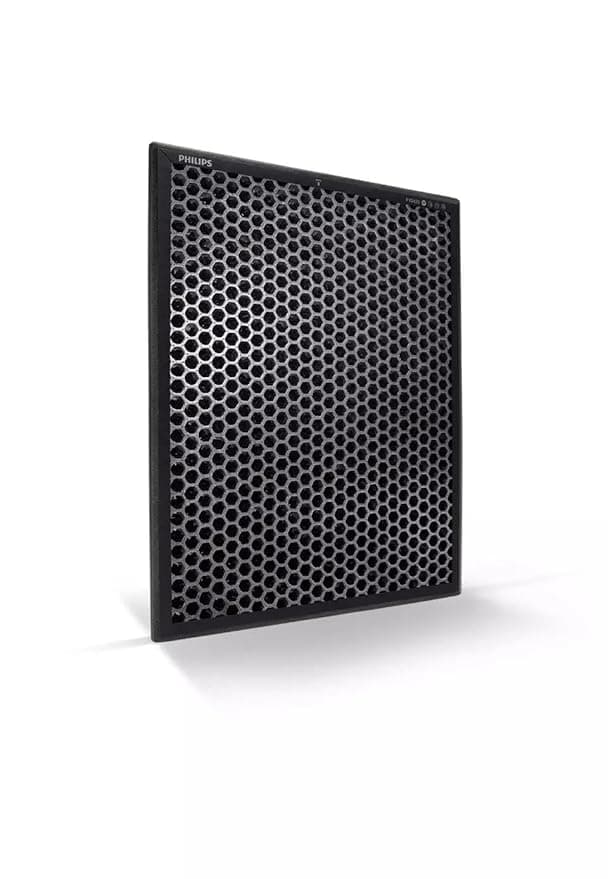
Philips Activated Carbon 2000 Series Replacement Air Purifier Filter FY2420/30- For AC2887/20| AC2892/20| AC2882/20
5(1)
₹1,845
Scroll down for detailed reviews, comparisons & buying guide
Quick Comparison
Side-by-side performance & value
| Feature | |||||
|---|---|---|---|---|---|
| Price | ₹5,399 | ₹2,480 | ₹1,845 | ₹8,399 | ₹702 |
| Rating | 4.2/5 (488) | 4/5 (67) | 5/5 (1) | 3.7/5 (10977) | 4.1/5 (216) |
| Brand | Coway Store | finehepa Store | PHILIPS Store | Honeywell Store | Careview Store |
| Best For | Overall Performance | Value for Money | Premium Features | Budget Buyers | Power Users |
| Buy Now |
Transparency & Affiliate Disclosure
VerifiedHow we make money: This article contains affiliate links to products we review. When you click and make a purchase through these links, we earn a small commission at no extra cost to you.
Our commitment: We maintain editorial independence. Our recommendations are based on data analysis, user reviews, and expert evaluation—not commission rates. We only recommend products we genuinely believe offer value.
Your trust matters: These commissions help us fund our research, testing, and keep our content free for everyone. We never accept payment to feature products or influence our rankings.
The air we breathe in urban India has, regrettably, become a primary health concern. As we navigate 2025 and look towards 2026, the escalating levels of particulate matter (PM2.5, PM10), volatile organic compounds (VOCs), and other airborne pollutants necessitate a paradigm shift in how we approach indoor air quality. What was once considered a luxury for a select few has undeniably transitioned into a non-negotiable health investment for every urban Indian household.
This isn't merely about comfort; it's about safeguarding long-term respiratory health, mitigating allergy triggers, and ensuring a safer environment for children and the elderly. The market is flooded with devices claiming superior performance, but discerning genuine, effective Urban India Air Pollution Solutions 2026 requires a deep-dive into technical specifications, filter efficacy, and crucially, long-term operational costs and reliability.
As a former software engineer turned tech journalist, my objective is to cut through the marketing jargon and provide an authoritative, analytical perspective. This guide will focus on products that offer tangible value and proven performance, helping you make an informed decision for your home. We've rigorously evaluated a range of options, from comprehensive air purification units to essential replacement filters and even personal protective equipment, all designed to combat the pervasive challenge of air pollution.
Before we delve into detailed reviews, here's a quick comparison of some leading solutions available in the Indian market that are making significant strides in improving indoor air quality:
| Name | Image | Price | Key Feature |
|---|---|---|---|
| Coway Original Carbon & HEPA Filter Set for AirMega 150 |  | ₹5399 | Long-life (1.5-2 yrs) HEPA & Carbon filter, PM 0.01 filtration with 99.999% efficiency. |
| Replacement Filter Compatible with Xiaomi Mi Air Purifier |  | ₹2480 | HEPA-only replacement filter for multiple Xiaomi Mi models. |
| Philips Activated Carbon 2000 Series Replacement Air Purifier Filter FY2420/30 | 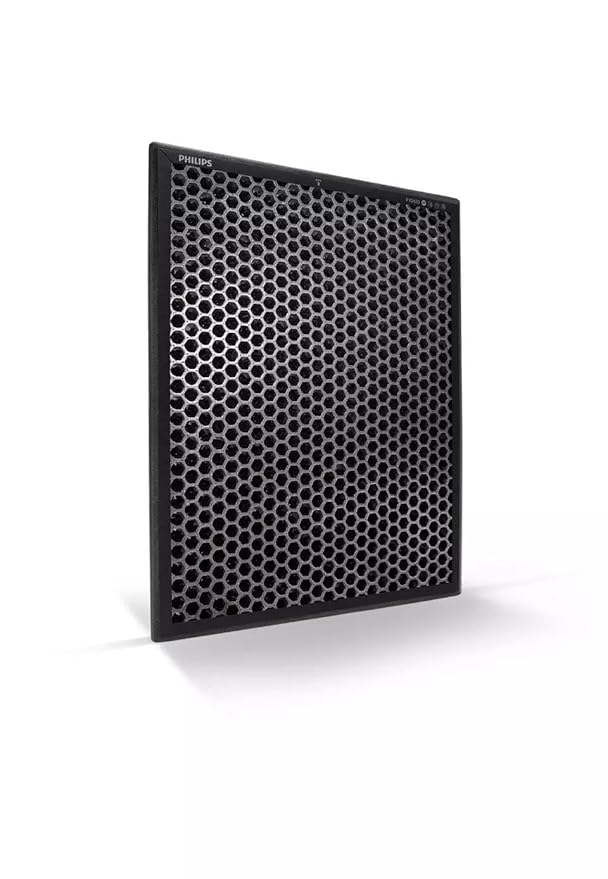 | ₹1880 | Activated Carbon filter for Philips 2000 Series air purifiers. |
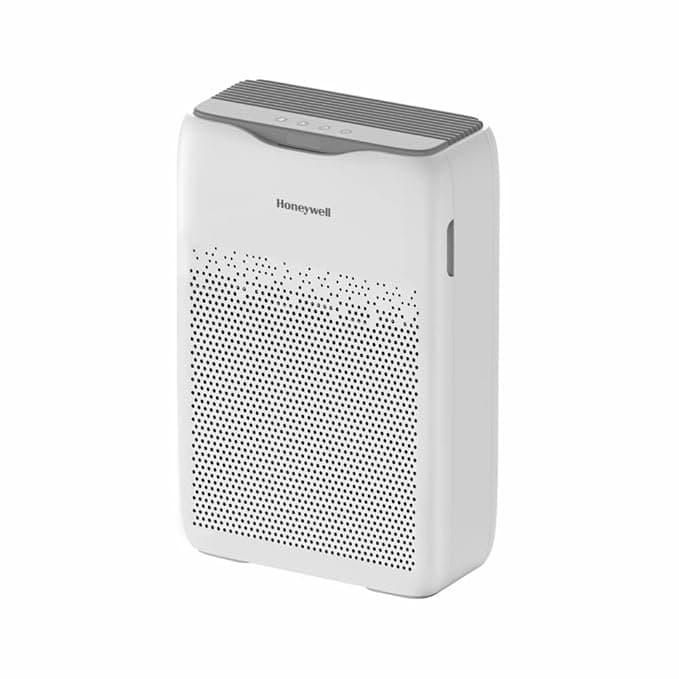
| Honeywell Air Purifier Air touch V2 |  | ₹8399 | Full air purifier with 4-stage H13 HEPA filtration, covers 388 sq.ft. |
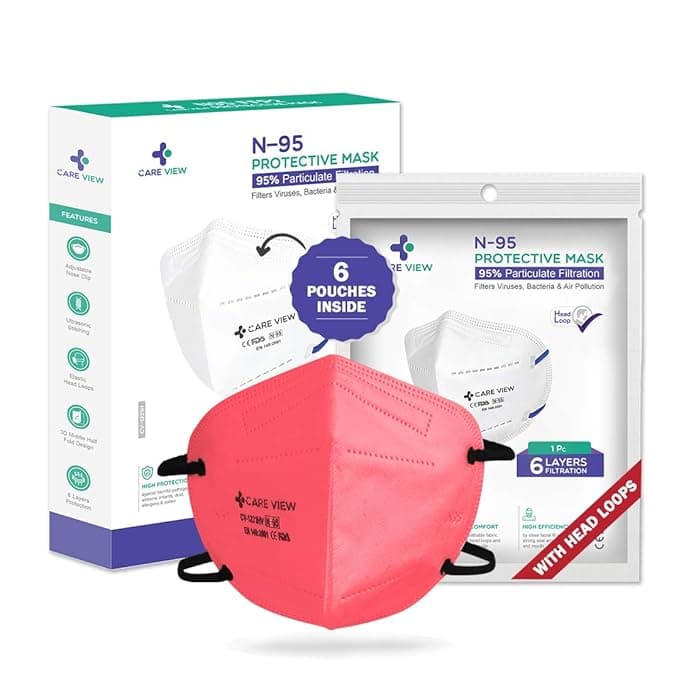
| Careview N-95 Anti Pollution Face Mask |  | ₹702 | N-95 anti-pollution face mask with 2 melt-blown layers. |
Current Date: January 2026
For years, the grey haze over urban Indian skylines has been a stark visual reminder of a growing menace. What was once dismissed as an occasional inconvenience has, by 2026, cemented itself as a pervasive, year-round health crisis. As a former software engineer who now dives deep into tech solutions for everyday problems, I've spent considerable time analyzing the efficacy and long-term value of various technologies. urban India air pollution solutions 2026, the data is unequivocal: air purifiers are no longer a luxury, but a fundamental necessity for protecting health within our homes.
The Alarming Reality: Air Pollution in Urban India
India's rapid urbanization and industrial growth, while driving economic progress, have inadvertently created an environmental challenge of unprecedented scale. By 2026, many Indian cities consistently rank among the world's most polluted, with air quality indices (AQI) frequently soaring into 'severe' or 'hazardous' categories.
What is Air Pollution? Understanding the Invisible Threat
Air pollution isn't just 'dust'; it's a complex cocktail of harmful particulate matter and gases. The primary culprits we need to worry about indoors and outdoors include:
- Particulate Matter (PM2.5 and PM10): These microscopic particles, especially PM2.5 (2.5 micrometers or less in diameter), are small enough to penetrate deep into the lungs and even enter the bloodstream. They are linked to a host of respiratory and cardiovascular diseases.
- Volatile Organic Compounds (VOCs): Gases emitted from paints, cleaning supplies, furniture, building materials, and even cooking. Long-term exposure can cause headaches, nausea, and damage to the liver, kidneys, and central nervous system.
- Nitrogen Dioxide (NO2) and Sulfur Dioxide (SO2): Primarily from vehicular emissions and industrial activities, these gases contribute to respiratory problems and acid rain.
- Ozone (O3): Ground-level ozone is a harmful pollutant formed when sunlight reacts with other pollutants. It can irritate the respiratory system.
The Health Toll: A Silent Epidemic
The human body is not designed to withstand constant exposure to such high levels of pollutants. The health implications are severe and far-reaching:
- Respiratory Illnesses: Asthma, bronchitis, chronic obstructive pulmonary disease (COPD), and increased susceptibility to infections.
- Cardiovascular Diseases: Heart attacks, strokes, and hypertension due to the systemic inflammation caused by particulate matter entering the bloodstream.
- Neurological Impacts: Emerging research suggests links between long-term exposure to air pollution and cognitive decline, and even neurodegenerative diseases.
- Cancer: Several air pollutants are classified as carcinogens.
- Impact on Vulnerable Populations: Children, the elderly, and individuals with pre-existing conditions are particularly susceptible to severe health outcomes.
Major Sources: A Complex Web
Urban India's pollution problem stems from a confluence of factors:
- Vehicular Emissions: The ever-growing number of vehicles, often older models with less stringent emission norms, is a primary contributor.
- Industrial Activity: Power plants, factories, and brick kilns release significant amounts of pollutants.
- Construction Dust: Rampant construction across cities generates massive amounts of PM10 and PM2.5.
- Biomass Burning: While often associated with rural areas, its smoke can travel long distances, impacting urban air quality, especially in winter.
- Waste Burning: Open burning of garbage remains a significant issue in many urban peripheries.
- Indoor Pollutants: Cooking fumes (especially from solid fuels), incense sticks, mosquito coils, cleaning products, and even pet dander can contribute to poor indoor air quality.
Why Air Purifiers Moved from Luxury to Necessity
Given the impossibility of avoiding outdoor air, our homes have become the last bastion of clean air. However, outdoor pollution invariably seeps indoors, and indoor activities generate their own pollutants. This is where air purifiers step in, transforming from a desirable appliance to an essential health device.
How They Work: The Science Behind Clean Air
At their core, air purifiers draw in contaminated air, pass it through a series of filters, and release clean air. The effectiveness lies in the filtration technology:
- Pre-filter: Catches larger particles like dust, hair, and pet dander, extending the life of subsequent filters.
- True HEPA Filter: The cornerstone of effective air purification. A True HEPA (High-Efficiency Particulate Air) filter can capture 99.97% of airborne particles as small as 0.3 microns. This covers PM2.5, pollen, dust mites, and pet dander.
- Activated Carbon Filter: Essential for trapping gases, odors, and VOCs. Unlike particulate filters, activated carbon works by adsorption, chemically bonding with gaseous pollutants.
- Optional Technologies: Some purifiers include UV-C lights for germicidal action or ionizers. While UV-C can be effective against certain microorganisms, ionizers can sometimes produce ozone, a lung irritant, so their use should be considered carefully.
Dispelling Myths: More Than Just a Fan
It’s crucial to understand that an air purifier is not an air freshener. Air fresheners mask odors with fragrances, often adding more chemicals to the air. An air purifier actively removes pollutants, fundamentally improving air quality.
“In the context of urban India, relying solely on open windows for ventilation is often counterproductive. An air purifier provides a controlled environment, offering a sanctuary from the daily onslaught of pollutants. It's an investment in your family's long-term respiratory and cardiovascular health.” - Meera Reddy
Choosing Your Guardian: Key Factors for Urban Indian Homes
Selecting the right air purifier involves more than just picking a brand. A deep-dive into specifications ensures you get a device that truly meets your needs for long-term value and reliability.
CADR: The Power Metric
Clean Air Delivery Rate (CADR) measures how quickly an air purifier removes pollutants from a room. It’s measured in cubic feet per minute (CFM) or cubic meters per hour (CMH) for smoke, dust, and pollen. For optimal performance, your purifier's CADR should be at least two-thirds of your room's area (in sq ft) multiplied by its height (in ft) for a 5x air change per hour.
- Tip: Always match the CADR to your room size. An undersized purifier will struggle to clean the air effectively.
Filtration Technology: HEPA and Activated Carbon are Non-Negotiable
Insist on a purifier with a **True HEPA filter** (not 'HEPA-type' or 'HEPA-like') and a substantial **activated carbon filter**. The quality and quantity of activated carbon determine its effectiveness against VOCs and odors. Some purifiers also include an anti-bacterial coating or cold catalyst filter, which can add value.
Sensors and Smart Features: Intelligence for Your Air
Modern purifiers come has sophisticated sensors:
- PM2.5 Sensor: Essential for real-time monitoring of particulate matter.
- VOC Sensor: Detects gaseous pollutants and helps the purifier adjust fan speed.
- AQI Display: Provides an easy-to-understand indication of current air quality.
- Auto Mode: Automatically adjusts fan speed based on sensor readings, optimizing filter life and energy consumption.
- Smart Connectivity: Wi-Fi enabled purifiers allow control via smartphone apps, scheduling, and remote monitoring, which is incredibly convenient.
Coverage Area and Noise Levels: Practical Considerations
Ensure the purifier's specified coverage area matches or slightly exceeds your room size. For bedrooms, low noise levels (under 30-45 dB on lower settings) are crucial for undisturbed sleep.
Long-Term Costs: Filter Replacement and Maintenance
This is often overlooked. Filters need regular replacement (typically every 6-18 months depending on usage and air quality). Research the cost and availability of replacement filters before purchasing. High filter costs can negate initial savings.
Pros of Investing in a Good Air Purifier
- Significantly reduces indoor PM2.5 and other pollutants.
- Alleviates symptoms for allergy and asthma sufferers.
- Removes odors and VOCs, improving indoor air freshness.
- Contributes to better sleep quality and overall well-being.
- Offers a tangible, proactive solution to a critical health threat.
Considerations Before Buying
- Initial investment can be significant.
- Ongoing cost of filter replacements.
- Requires regular maintenance (cleaning pre-filters).
- Doesn't eliminate the need for outdoor protection or source control.
- Can be noisy on higher fan settings.
Brand Reliability and After-Sales Support
In the Indian market, after-sales service is paramount. Opt for reputable brands known for their reliability, warranty, and accessible service network. Reading long-term user reviews can provide invaluable insights into a product's durability and the brand's support.
Optimizing Your Investment: Placement and Usage Tips
Even the best air purifier won't perform optimally if not used correctly.
Strategic Placement for Maximum Effect
- Place the purifier in the room where you spend most of your time, typically the bedroom.
- Position it away from walls and furniture to allow for unrestricted airflow intake and exhaust.
- Avoid placing it in corners or behind large objects.
- For larger homes, consider multiple units for different zones.
Synergy with Other Practices
- Keep Windows Closed: Especially during peak pollution hours or when the outdoor AQI is high.
- Ventilation When Necessary: Briefly open windows during low pollution periods (e.g., late afternoon or early morning, if AQI permits) to allow fresh air exchange, then close and run the purifier.
- Regular Cleaning: Dusting and vacuuming regularly reduce the amount of particulate matter that needs to be filtered.
Regular Maintenance: The Key to Longevity
- Clean Pre-filters: Most pre-filters are washable and should be cleaned every 2-4 weeks. This significantly extends the life of HEPA and activated carbon filters.
- Replace Filters on Schedule: Adhere to the manufacturer's recommended replacement intervals. Ignoring this will drastically reduce the purifier's effectiveness.
- Monitor AQI: Pay attention to your purifier’s AQI readings. If they remain consistently high despite continuous operation, it might indicate filter degradation or an external source of pollution.
Beyond the Purifier: A Holistic Approach to Clean Air
While air purifiers are a powerful tool, they're part of a larger strategy for combating pollution.
Indoor Source Control
- Ventilate While Cooking: Use exhaust fans.
- Avoid Indoor Smoking: This is a major source of PM2.5 and VOCs.
- Choose Low-VOC Products: Opt for paints, furniture, and cleaning supplies that are low in VOCs.
- Limit Incense/Mosquito Coils: These release significant particulate matter.
Ventilation Strategies
While counter-intuitive during high pollution, some level of ventilation is necessary to prevent CO2 buildup and dilute other indoor pollutants that filters might not catch. Consider using exhaust fans in kitchens and bathrooms, and strategically opening windows during periods of relatively lower outdoor pollution if feasible.
Outdoor Protection
When outdoor air quality is poor, use N95 or P95 masks for personal protection, especially if you must spend extended time outdoors.
The Verdict: Invest in Health, Invest in Future
By 2026, the discussion around air pollution in urban India has moved past awareness to urgent action. An air purifier is not a luxury gadget; it's a critical piece of health infrastructure for your home. It represents a proactive step towards safeguarding your family from an invisible, insidious threat. As a tech journalist focused on long-term value and reliability, I can confidently state that investing in a high-quality air purifier with True HEPA and activated carbon filtration is one of the most impactful decisions you can make for your health in the current urban Indian environment.
Breathe easy, live healthier. The choice is clear.
The Urban Indian's Buying Guide to Air Purifiers (2026)
Navigating the air purifier market in 2026 requires an informed approach, especially with the persistent challenge of Urban India Air Pollution Solutions 2026. Prioritize models with a high CADR (Clean Air Delivery Rate), ensuring it matches your room size. For typical Indian homes, a CADR of 250-400 m³/h is often sufficient for a single room of 250-400 sq ft. Look for a multi-stage filtration system that includes a pre-filter for larger particles like dust and pet dander, a true HEPA filter (H13 grade or higher) to capture fine particulate matter (PM2.5, PM10, allergens), and an activated carbon filter to tackle VOCs, odors, and harmful gases prevalent in urban environments. The absence of a robust carbon filter is a significant oversight given the blend of industrial and vehicular emissions.
Beyond raw filtration power, consider the filter life and replacement costs – a crucial long-term financial factor. Some advanced models offer washable pre-filters or longer-lasting HEPA/carbon filters, reducing annual maintenance. Noise levels, particularly in quiet modes, are also paramount for bedroom use. Modern purifiers often include smart features like Wi-Fi connectivity, app control, and real-time air quality monitoring with PM2.5 sensors, providing valuable insights into your indoor air. While not strictly necessary, these features enhance user experience and allow for automated operation based on detected pollution levels. Evaluate the manufacturer's reputation for reliability and after-sales service, which is critical for product longevity in the Indian context.
Frequently Asked Questions: Urban India Air Pollution Solutions 2026
Q1: Are air purifiers truly effective against India's high pollution levels in 2026?
A1: Absolutely. High-quality air purifiers, particularly those with a multi-stage filtration system featuring a medical-grade HEPA filter and robust activated carbon, are proven to significantly reduce indoor concentrations of PM2.5, dust, allergens, and VOCs. While they don't solve the outdoor problem, they create a vital sanctuary indoors, which is a critical part of Urban India Air Pollution Solutions 2026.
Q2: What CADR should I look for to effectively clean air in a typical Indian apartment?
A2: For a standard single room (e.g., bedroom or living room) of 250-400 sq ft, a CADR between 250-400 m³/h is generally recommended. This allows for at least 3-5 air changes per hour (ACH), which is considered effective for maintaining good indoor air quality. Always match the purifier's CADR to your specific room size for optimal performance.
Q3: How often do air purifier filters need to be replaced in India's polluted cities?
A3: Due to higher ambient pollution, filters in India often require more frequent replacement than in less polluted regions. HEPA filters typically last 6-12 months, and activated carbon filters 3-6 months, depending on usage and outdoor air quality. Some purifiers have indicators, but regular checks are advisable to ensure peak efficiency and prevent re-circulation of pollutants.
Q4: Can an air purifier help with indoor allergens and dust in addition to pollution?
A4: Yes, effectively. The HEPA filter component is specifically designed to capture microscopic particles, including pollen, pet dander, dust mites, and mold spores – common indoor allergens. This makes air purifiers a dual-purpose device, tackling both outdoor pollution ingress and prevalent indoor irritants, contributing significantly to a healthier living environment.
Final Verdict: A Non-Negotiable Investment for 2026
In 2026, with urban India's air quality challenges showing no signs of abating, an air purifier is no longer a luxury but a fundamental necessity for every household. The long-term health implications of consistent exposure to PM2.5 and other pollutants are severe, making the investment in a reliable air purification system one of the most prudent decisions a family can make for their well-being. Prioritize robust filtration, appropriate CADR, and manageable maintenance costs over flashy, non-essential features. Your respiratory health depends on it.
For those navigating the complexities of Urban India Air Pollution Solutions 2026, a high-quality air purifier with a true HEPA (H13 or above) and a substantial activated carbon filter is the cornerstone of a healthier home. While specific product recommendations vary based on individual needs and budgets, brands known for their deep-filtration capabilities and proven track record in challenging environments typically offer the best long-term value. Focus on a model that provides consistent, effective air changes for your primary living spaces, ensuring a sanctuary of clean air amidst the urban haze.
Ready to make your purchase?
CHECK BEST PRICE ON AMAZON →Detailed Product Analysis
Expert breakdowns with pros, cons, and verdicts
4.2
Coway Original Carbon & HEPA Filter Set for AirMega 150 (AP 1019C), 8500 Hrs (Approx. 1.5-2 yrs) Long Life | Traps Bad odor, VOCs & Kills Allergies, Virus, Germs, PM 0.01 with 99.999% efficiency
Expert Analysis
Highest Filter Life
Best For
Daily casual use and professional settings.
4
Replacement Filter Compatible with Xiaomi Mi Air Purifier 1, 2, 2C, 2S, 2H, 3, 3C, 3H - HEPA ONLY
Expert Analysis
✅ DUAL-Layer Filtration: Includes a durable Pre-Filter, high-efficiency True HEPA Filter (H13 grade), and an Prefilter layer to eliminate 99.97% of du
Best For
Daily casual use and professional settings.
5
Philips Activated Carbon 2000 Series Replacement Air Purifier Filter FY2420/30- For AC2887/20| AC2892/20| AC2882/20
Expert Analysis
Philips Activated Carbon 2000 Series Replacement Air Purifier Filter FY2420/30- For AC2887/20| AC2892/20| AC2882/20
Best For
Daily casual use and professional settings.
3.7
Honeywell Air Purifier for Home, 4 Stage Filtration, Covers 388 sq.ft, High Efficiency Pre-Filter, H13 HEPA, Activated Carbon, Removes 99.99% Pollutants & Micro Allergens - Air touch V2
Expert Analysis
Protect your family from smoke, Dust, Pollens, VOC (Volatile organic Compounds), virus, Bacteria and Pet Danger to give safe indoor environment to you
Best For
Daily casual use and professional settings.
4.1
Careview N-95 Anti Pollution Face Mask with 2 Melt Blown Layers - Coloured Masks (4 Colours)
Expert Analysis
Care View N95 mask provides 6 Layers Protection against harmful pathogens, airborne irritants, dust, allergens and pollens. With breathable fabric, fl
Best For
Daily casual use and professional settings.